
Luxury Rail Journeys on the Trans-Siberian Railway
The Trans-Siberian is one of the world’s great overland rail journeys: a route defined not by one city or one train, but by the changing sequence of landscapes, cultures and distances that unfold across Eurasia. From Moscow and the Volga to Siberia, Lake Baikal, Mongolia and Beijing, its appeal lies as much in the journey itself as in the destinations along the way.
There is no single “Trans-Siberian holiday”. The wider route family includes the classic Trans-Siberian to Vladivostok, the Trans-Mongolian to Ulaanbaatar and Beijing, and the Trans-Manchurian into north-east China. That variety is one of the reasons the route remains so compelling: it can be experienced as a legendary long-distance railway, a luxury private-train journey, or a more flexible stop-based overland holiday.
The route has long been associated with famous private-train names such as Golden Eagle, Tsars Gold and Imperial Russia. Today, the private-train landscape is more limited than it was before Russia’s war in Ukraine. Golden Eagle states that it no longer operates in Russia and has redirected its current focus to Silk Road journeys, while The Trans-Siberian Travel Company notes that the Golden Eagle is currently running Central Asia tours and invites travellers to join a list to be informed when Trans-Siberian trips return.
Our understanding of the route is also strengthened by our sister brand, The Trans-Siberian Travel Company, which specialises in Trans-Siberian holidays and route planning. Its site covers both luxury/private trains and standard public-train journeys, helping inform the way we approach the Trans-Siberian on LTTC, from premium rail travel to the broader overland journey itself.
Explore this page:
● Why travel by luxury train
● The route & journey styles
● Places explored on a Trans-Siberian journey
● Signature Trans-Siberian train names
● Planning your holiday
● Luxury rail vs standard public trains
● Why the Trans-Siberian is different
● Onboard style & journey atmosphere
● Signature experience
● When to travel
● FAQs
● Start planning

Why Travel by Luxury Train on the Trans-Siberian
The Trans-Siberian works so well by train because the route itself is the experience. This is not a journey where the rail sector merely connects the highlights. The changing rhythm of the line — from European Russia to Siberia, from forest and steppe to lake and frontier — is what gives the journey its meaning.
Luxury rail adds another layer to that experience. Instead of treating the Trans-Siberian as a logistical challenge, it turns it into a more curated and atmospheric journey, with comfort, service and structure helping the scale of the route feel more pleasurable rather than purely demanding. That is why the route became associated with private-train names such as Golden Eagle, Tsars Gold and Imperial Russia in the first place.
For many travellers, the strongest appeal lies in the combination of myth and reality. The Trans-Siberian is one of the few rail journeys in the world that still feels genuinely legendary, yet it is also a practical way to experience cities, landscapes and cultures that make far more sense overland than by air.
“The Trans-Siberian is one of the world’s great overland journeys: less a single train trip than a changing sequence of cities, landscapes and cultures across Eurasia.”
The Route & Journey Styles

Classic Trans-Siberian
Russia from west to east.
The classic Trans-Siberian stays entirely in Russia, typically running from Moscow to Vladivostok. It is the purest expression of the route: a long-distance journey through the breadth of European Russia and Siberia, shaped by changing landscapes rather than international borders.
Trans-Mongolian
The most famous cross-border Trans-Siberian route.
The Trans-Mongolian leaves Russia for Ulaanbaatar and continues south to Beijing. For many travellers, this is the most rewarding version of the journey because it combines Siberia with the open landscapes and nomadic culture of Mongolia before reaching China.
Trans-Manchurian
Russia to Beijing via north-east China.
The Trans-Manchurian route also links Moscow and Beijing, but does so without going through Mongolia. Instead, it stays on a different eastern alignment into China, giving the journey a more Russia–China emphasis than the classic Trans-Mongolian.
Tailor-Made & Stop-Based Journeys
Breaking the route into meaningful sections.
Not every Trans-Siberian holiday needs to be one long continuous rail sector. Some of the most satisfying journeys are built around selected stretches of the route, broken with stays in cities such as Kazan, Yekaterinburg, Irkutsk, Lake Baikal, Ulaanbaatar or Beijing. The Trans-Siberian Travel Company’s planning pages reflect exactly this broader route logic, covering multiple start cities, route options and train styles.
Places Explored on a Trans-Siberian Journey
A Trans-Siberian journey is defined not by a single destination, but by the progression between places. From imperial capitals and Tatar cities to Siberian outposts, Lake Baikal, Mongolia and Beijing, the route unfolds as a sequence of distinct worlds. That changing geography is one of the reasons the Trans-Siberian remains so compelling by rail.

Moscow
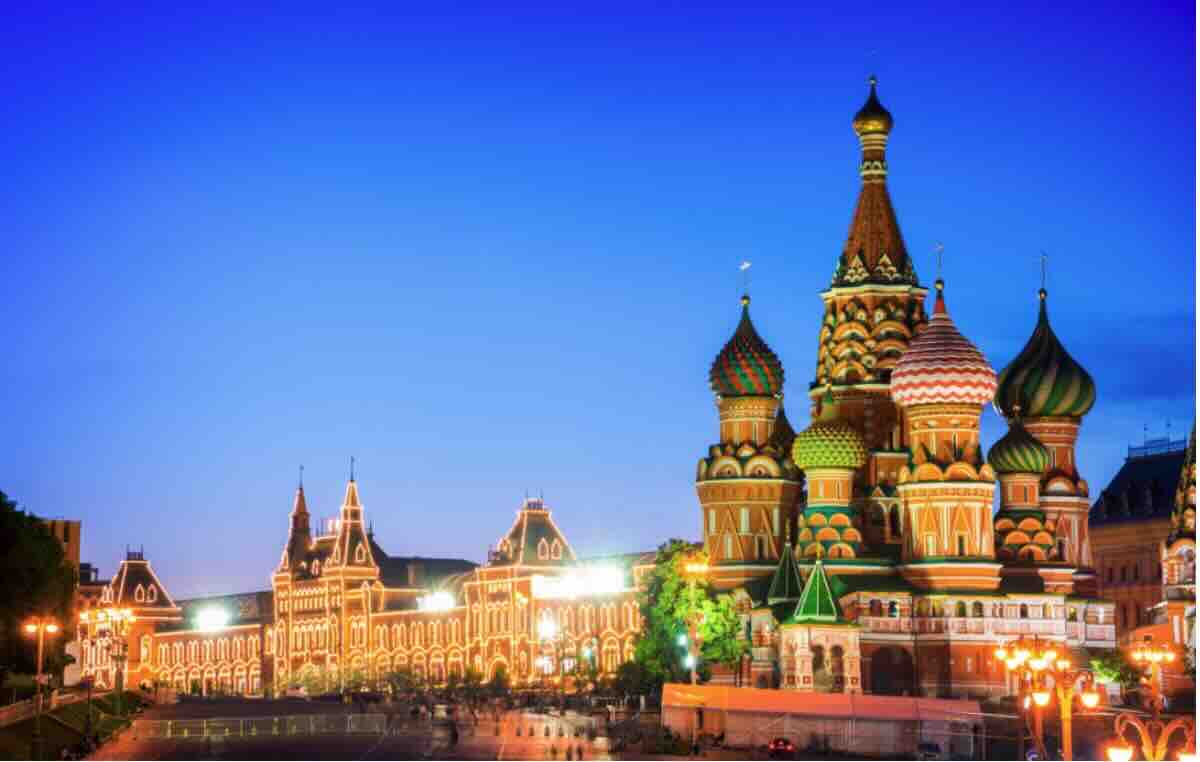
Imperial capital & the classic western starting point.
Moscow gives the Trans-Siberian its grandest beginning. It provides historical weight, architectural drama and the sense that you are setting out on a true long-distance route rather than simply boarding a train between cities. It is the natural western gateway for most classic journeys.

Kazan
Tatar heritage & one of the best early stops east of Moscow.
Kazan is one of the most rewarding first major stops on the line. It introduces a different cultural texture early in the journey, with Tatar heritage, Islamic influence and a stronger sense that the route is moving beyond European Russia into a more layered Eurasian world.

Ekaterinburg
Europe–Asia threshold & Romanov history.
Ekaterinburg matters both symbolically and historically. It is often associated with the Europe–Asia divide and gives the journey one of its strongest threshold moments: the sense that the route is now heading decisively into Siberia.

Novosibirsk
Siberian scale & the logic of the route taking hold.
Novosibirsk represents the scale and modern logic of Siberia. By the time the route reaches here, the traveller begins to feel the true breadth of the journey and the changing rhythm of life across Russia’s interior. It is less about one iconic sight than about the momentum of the line itself.

Irkutsk
Historic Siberian city & gateway to Lake Baikal.
Irkutsk is one of the most important stop points on the route because it opens the way to Lake Baikal, long one of the defining highlights of a Trans-Siberian journey. It adds both a cultural stop and a gateway function, making it one of the most satisfying places to break the trip.

Lake Baikal
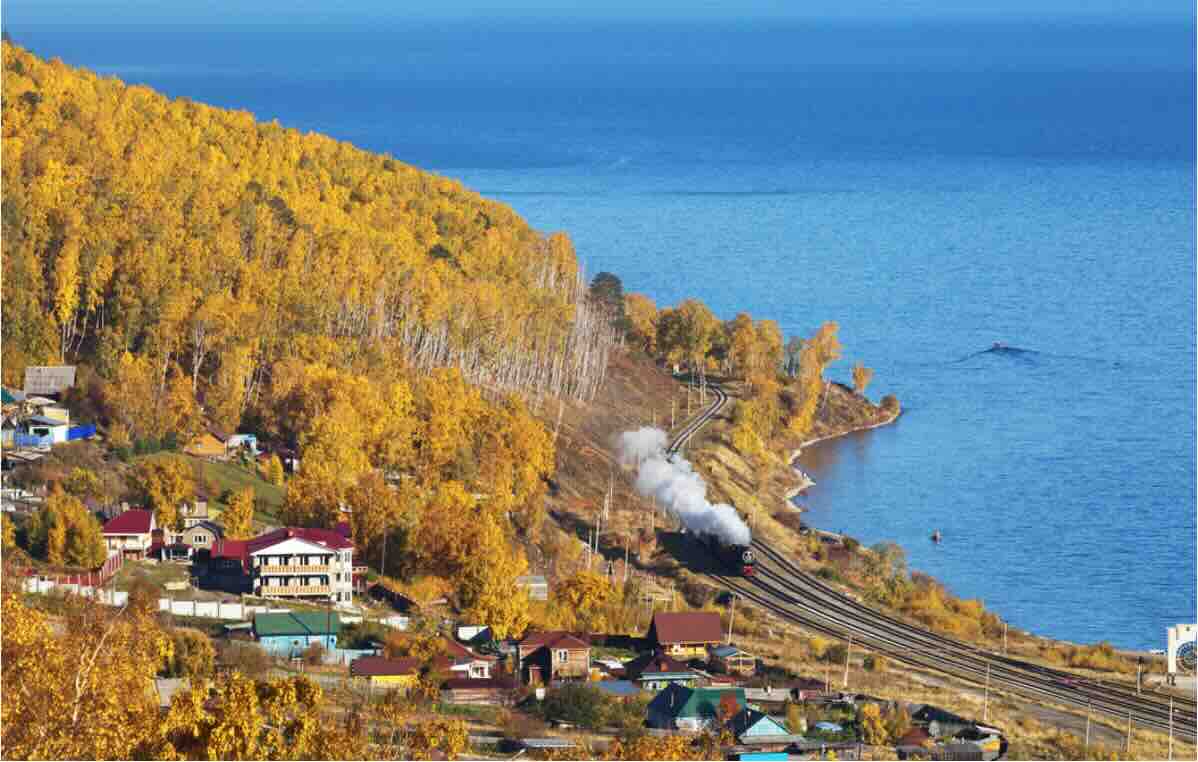
The natural wonder at the heart of the Trans-Siberian story.
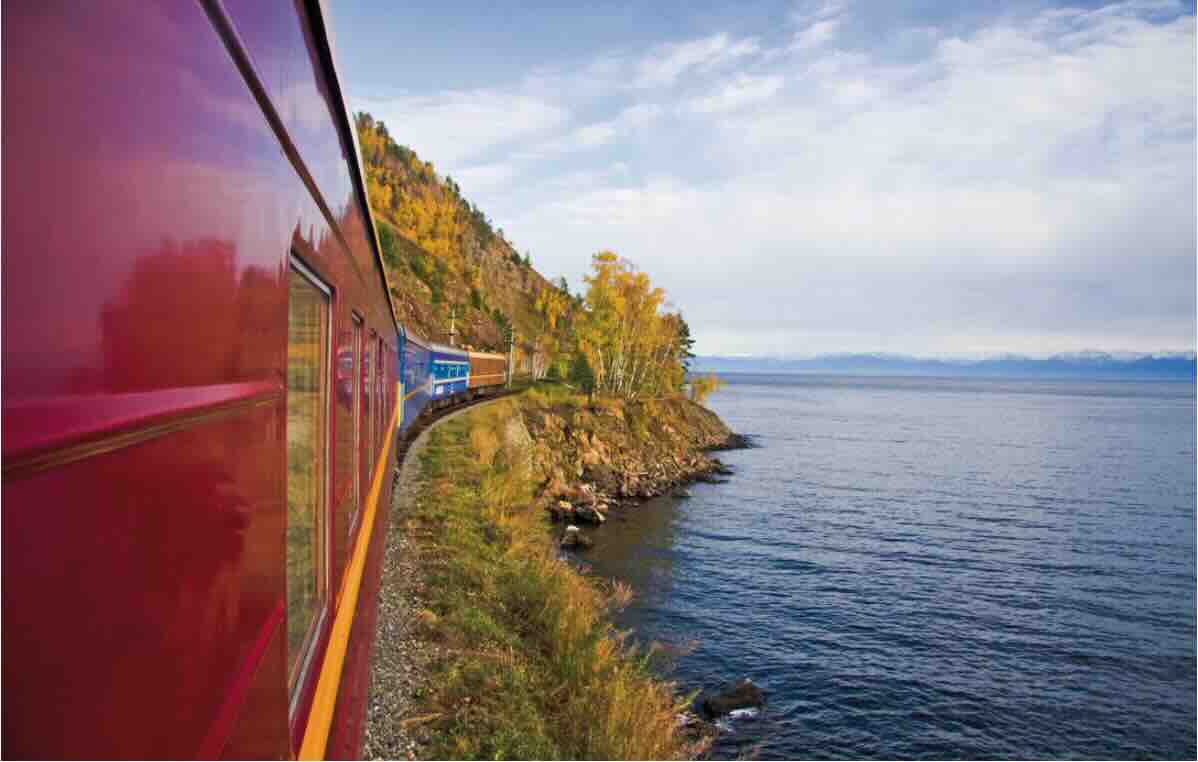
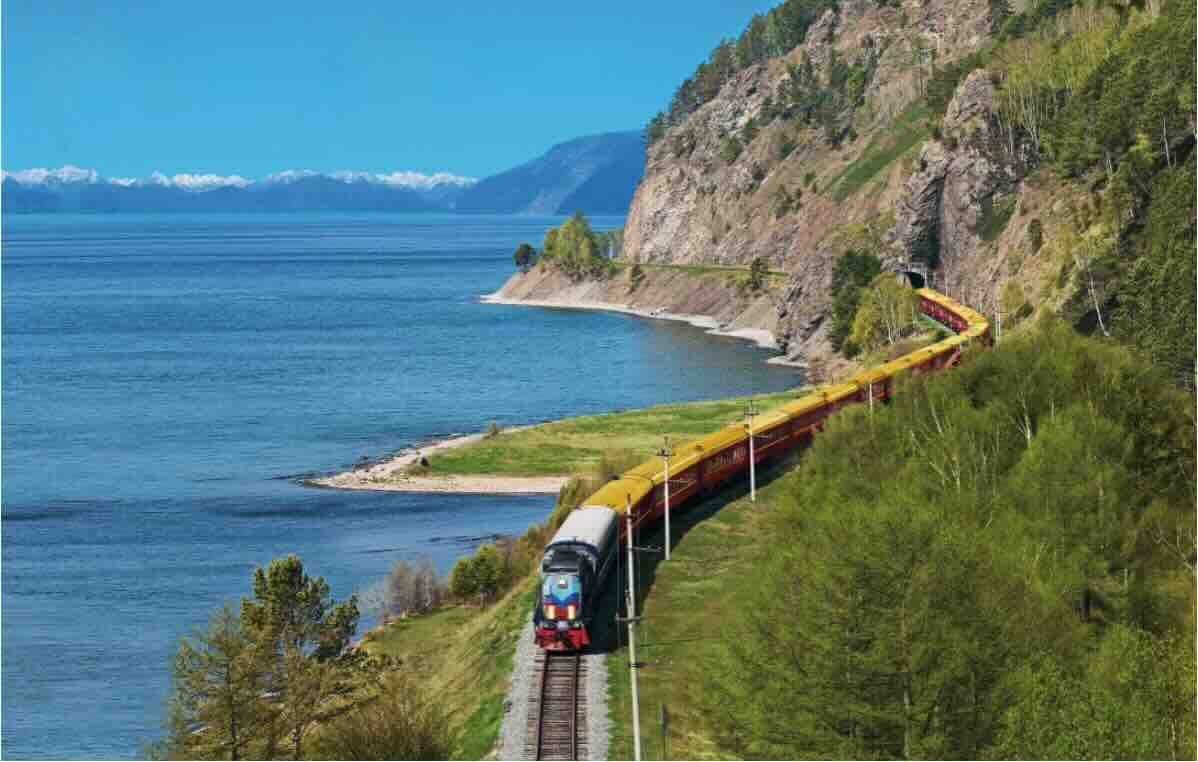
Lake Baikal is one of the route’s great emotional highlights. Golden Eagle’s Trans-Siberian pages have long treated it as one of the iconic sections of the line, including the famed lakeside run and photo opportunities along the shore. It is one of the places where the engineering and scenery of the railway feel most inseparable.

Ulaanbaatar
Nomadic Mongolia & the defining contrast of the Trans-Mongolian route.
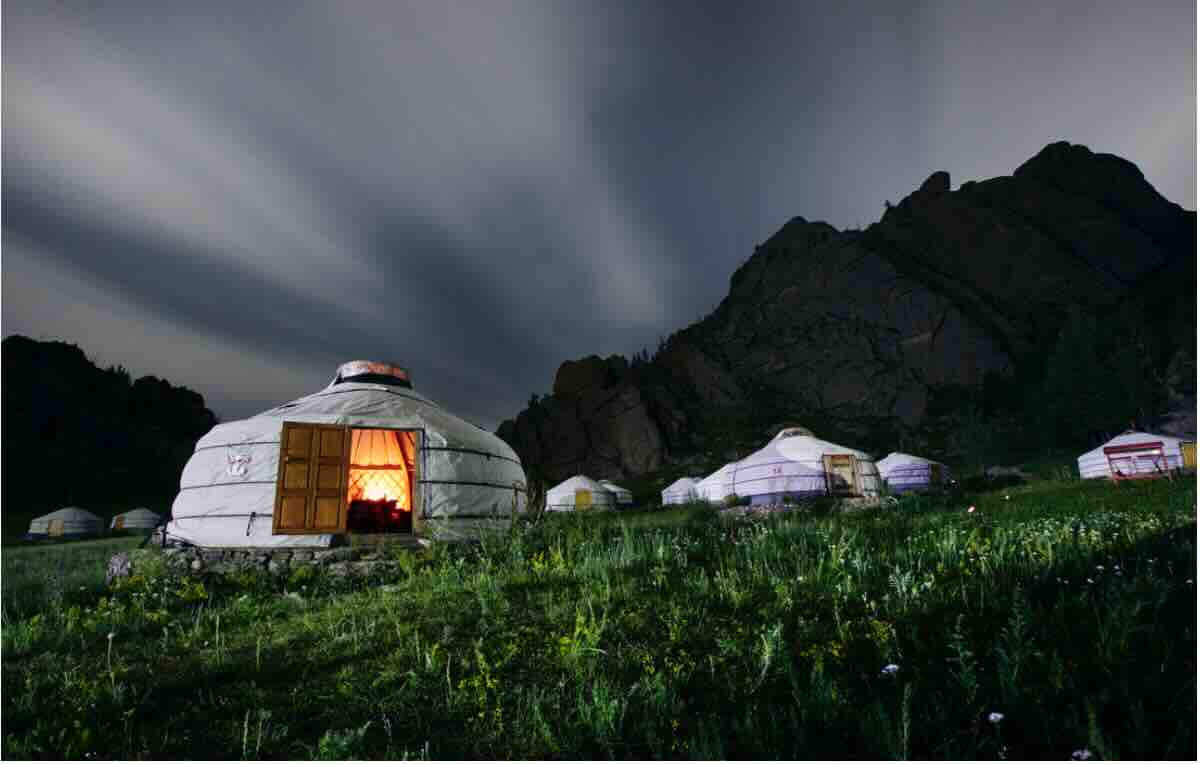
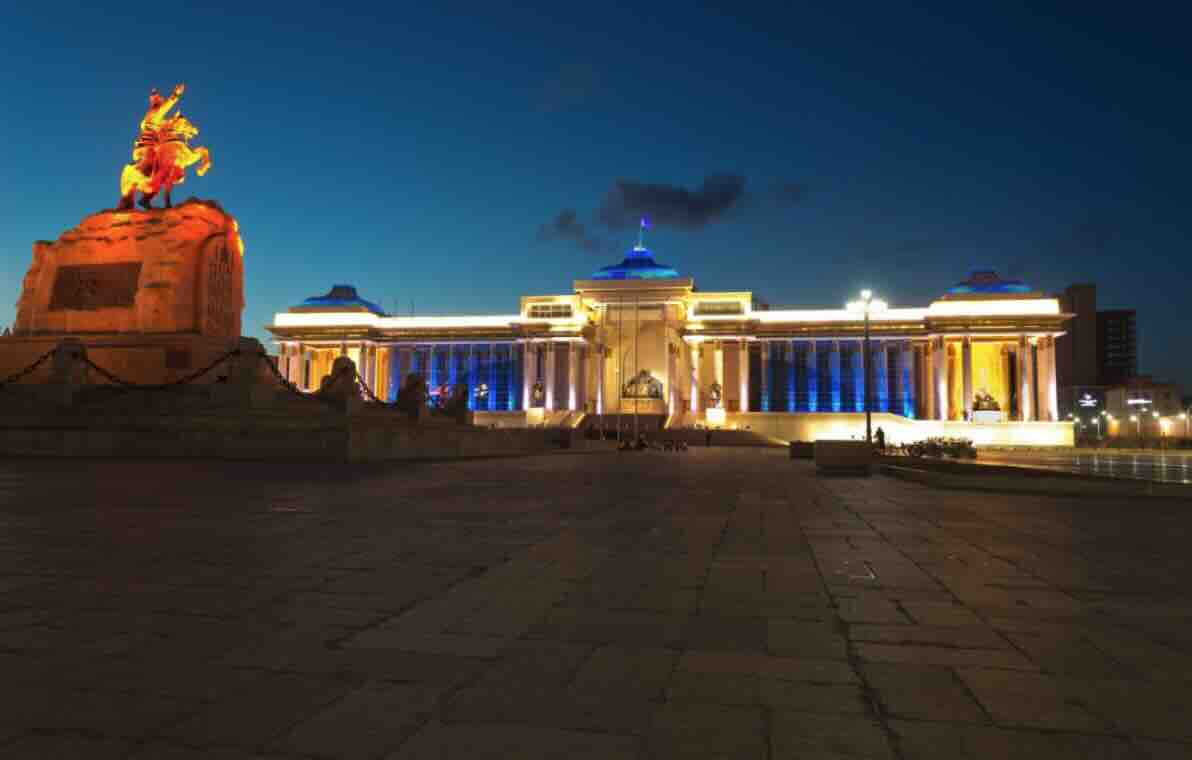
Ulaanbaatar gives the Trans-Mongolian route its most dramatic cultural shift. After Russia and Siberia, Mongolia changes the atmosphere of the journey completely, adding open landscapes, nomadic heritage and a powerful sense of crossing between worlds.

Beijing
The grand eastern finish for the Trans-Mongolian and Trans-Manchurian.
Beijing is the strongest eastern finish for travellers taking the Trans-Mongolian or Trans-Manchurian. It gives the route a suitably grand conclusion, linking one of the world’s most legendary rail journeys with one of Asia’s great capitals.

Vladivostok
Russia’s Pacific terminus & the classic eastern finish.
Vladivostok gives the classic Trans-Siberian its most definitive ending. As Russia’s great Pacific port, it represents the full achievement of the route: crossing the breadth of the country from European Russia to the Far East. For travellers taking the all-Russia line, it provides the strongest possible sense of completion.
Trans-Siberian Rail Holidays at a Glance
| Feature | At a glance |
|---|---|
| Main journey styles | Trans-Siberian, Trans-Mongolian and Trans-Manchurian |
| Best for | Travellers wanting one of the world’s great overland rail journeys |
| Typical trip shape | Multi-stop route with hotel stays and/or private or public train sectors |
| Journey feel | Expansive, atmospheric, route-led and deeply immersive |
| Standout strengths | Scale, Siberia, Lake Baikal, Mongolia, Beijing and true overland progression |
| Best fit | Travellers drawn to big-distance rail journeys rather than short luxury breaks |
Signature Trans-Siberian Train Names
Golden Eagle

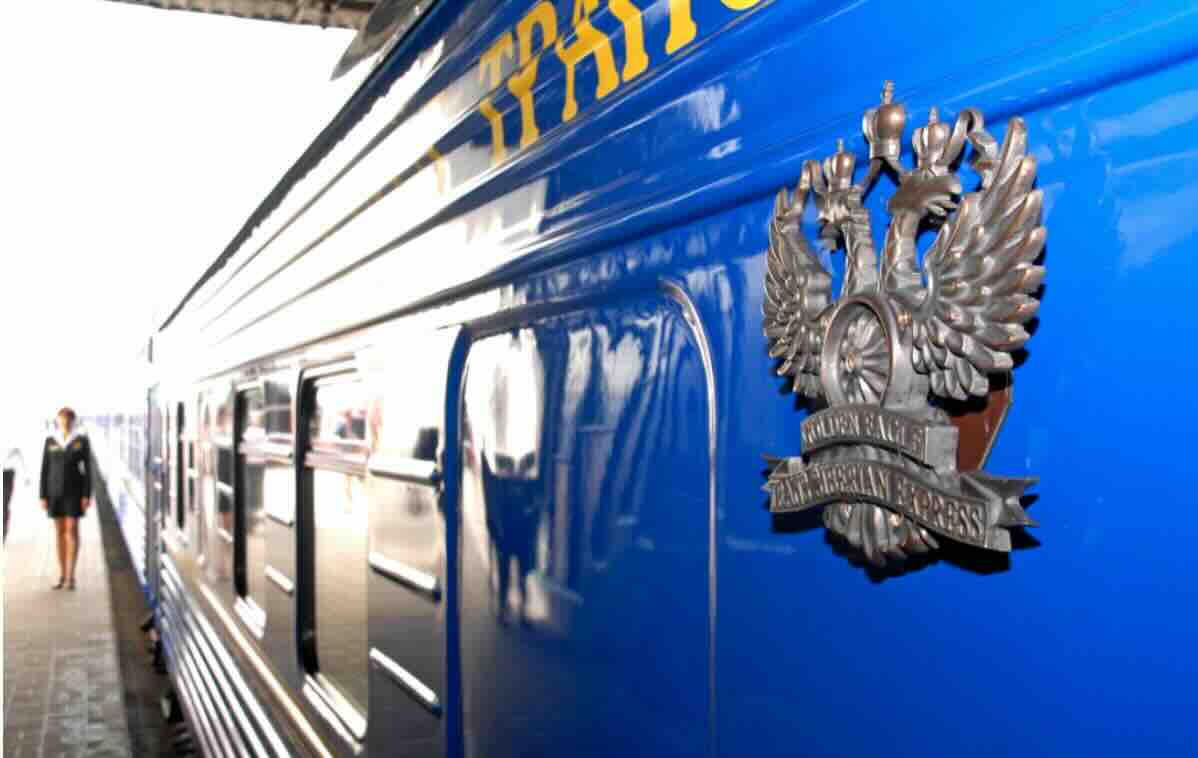
Golden Eagle is one of the most famous names associated with luxury travel on the Trans-Siberian. Today, however, Golden Eagle states that it no longer operates in Russia and that the former Golden Eagle Trans-Siberian Express has been reoriented toward Silk Road journeys instead. Even so, it remains one of the defining names in the wider Trans-Siberian luxury story.
Learn more about this train here: Golden Eagle.
Tsars Gold

Tsars Gold is another major private-train name on the route, especially associated with Moscow–Beijing and Beijing–Moscow Trans-Mongolian journeys. The Trans-Siberian Travel Company continues to position it as one of the core private-train options within the wider Trans-Siberian world.
Learn more about this train here: Tsars Gold.
Imperial Russia
Imperial Russia has long been presented as a luxury private-train option on routes including Moscow to Beijing and Moscow to Vladivostok. It remains an important part of the Trans-Siberian landscape historically, even if current operations are more limited than before.
Learn more about this train here: imperial Russia.
“From Moscow and Lake Baikal to Mongolia and Beijing, the power of the Trans-Siberian lies in the route itself — vast, atmospheric and unmistakably legendary.”
Planning a Trans-Siberian Rail Holiday
Planning a Trans-Siberian holiday is less about finding one single “best train” and more about deciding what kind of route you want. The key choices are usually whether to travel entirely within Russia, to continue through Mongolia, or to take the alternative Manchurian route into China.
Another important choice is whether to travel by private luxury train or by standard public train. The Trans-Siberian Travel Company’s planning pages make clear that the route supports both styles: higher-end curated journeys and more classic public-train travel with different classes and more flexibility.
For many travellers, the best journeys are those that break the route into meaningful sections. A stop in Irkutsk and Lake Baikal, or time in Ulaanbaatar and Beijing, often turns the trip from a long rail sector into a much richer overland holiday.
Luxury Rail vs Standard Public Trains on the Trans-Siberian
The Trans-Siberian can be experienced in very different ways. Luxury or private-train journeys tend to be more structured, with higher comfort, more inclusive touring and a more curated atmosphere. Standard public trains offer greater flexibility and often a stronger sense of everyday rail travel across Russia and beyond.
Neither approach is inherently “better”; they simply suit different travellers. Luxury travel is often the better fit for those who want the route to feel seamless and premium. Public trains can be more appealing for those who value independence, flexibility and the classic feeling of joining the railway as it actually operates.
Comparison Table
| Style | Luxury / private train | Standard public train |
|---|---|---|
| Atmosphere | High-touch and curated | More independent and classic |
| Comfort | Higher | Variable |
| Route logic | Guided and structured | Flexible |
| Sense of adventure | Strong | Very strong |
| Best for | A more seamless premium journey | Travellers prioritising authenticity and flexibility |
Why the Trans-Siberian Is Different from Other Rail Journeys
The Trans-Siberian is different because the route itself has become part of travel mythology. It is not simply a scenic train or a luxury product. It is one of the world’s great named journeys, instantly associated with scale, remoteness and the idea of travelling across continents rather than between single destinations.
Compared with China, it is more route-led and less centred on one country’s internal variety. Compared with India, it is less theatrical and more expansive. Compared with Japan, it is almost the opposite in spirit: bigger, rougher-edged and defined by distance rather than by curation. That is what makes it unique.


Onboard Style & Journey Atmosphere
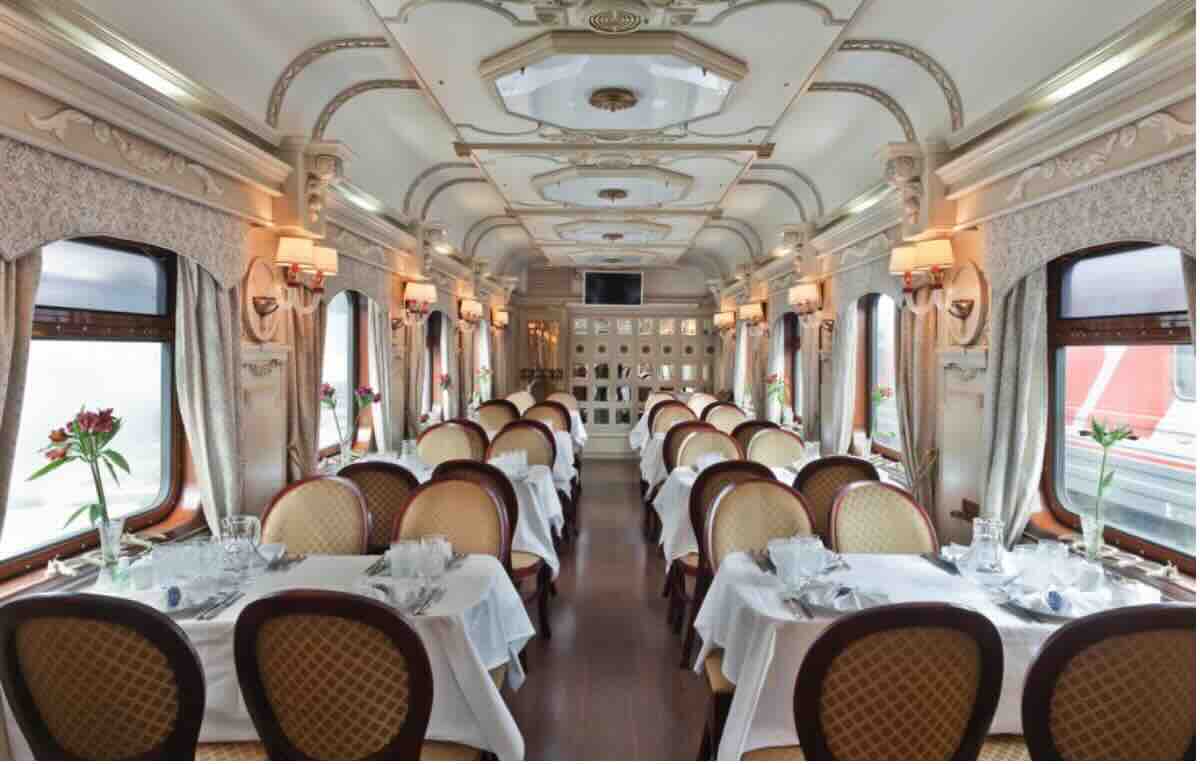
Detailed cabin and train specifics belong on the dedicated train pages, but from a destination perspective what matters is atmosphere. The Trans-Siberian is at its best when the onboard experience supports the feeling of gradual change outside the window: forests giving way to steppe, cities to stations, lake shore to frontier crossing.
On a private train, that atmosphere becomes more elevated and controlled. On a public train, it is often more direct and more authentic. Either way, the defining quality is not only comfort but the sense of momentum — the feeling that you are crossing a truly significant stretch of the world by rail.
Signature Experience
Crossing Eurasia by Rail
What makes the Trans-Siberian so powerful is that no single image defines it. Instead, the journey gains force from accumulation: the departure from Moscow, the sense of entering Siberia, the shoreline of Lake Baikal, the transition into Mongolia, the arrival in Beijing. The route becomes memorable because it is a sequence of changing worlds, not one static destination.
That is the signature of the Trans-Siberian: not just a train ride, but the experience of watching a continent unfold.

When to Travel
Season matters on the Trans-Siberian. The route can feel very different in summer, autumn or winter, and that seasonal contrast has long been part of its appeal. Golden Eagle’s own writing on the Trans-Siberian has historically highlighted the distinct atmosphere of summer and winter journeys, while The Trans-Siberian Travel Company’s planning pages also emphasise choosing the right time of year.
For many travellers, the best time depends less on one universal rule and more on what kind of experience they want: greener landscapes and longer days, autumn colours, or the stark drama of a snowbound Siberian journey.
Frequently Asked Questions About Luxury Rail Journeys on the Trans-Siberian
Start Planning Your Trans-Siberian Rail Holiday
The Trans-Siberian remains one of the world’s most iconic overland journeys, whether approached as a future private-train ambition, a classic public-train route or a broader stop-based holiday across Eurasia. Its appeal lies not only in famous train names, but in the enduring power of the route itself: Moscow, Siberia, Lake Baikal, Mongolia, Beijing and Vladivostok linked by one of the world’s great rail lines.
For travellers drawn to scale, atmosphere and the idea of watching a continent unfold by train, few journeys offer anything comparable. Whether you are interested in the classic all-Russia route, the Trans-Mongolian, or the wider story of luxury rail on the line, the Trans-Siberian remains one of North East Asia’s most compelling railway experiences.
enquiry@theluxurytraintravelcompany.com
Tel: +44 (0)20 8191 0620
Explore Luxury Rail Travel in North East Asia
The Trans-Siberian is one part of our wider North East Asia collection, alongside China and Japan. Explore the broader region to compare the different styles of rail travel available across this part of Asia, from Silk Road China to Japan’s refined train culture and the legendary scale of the Trans-Siberian.